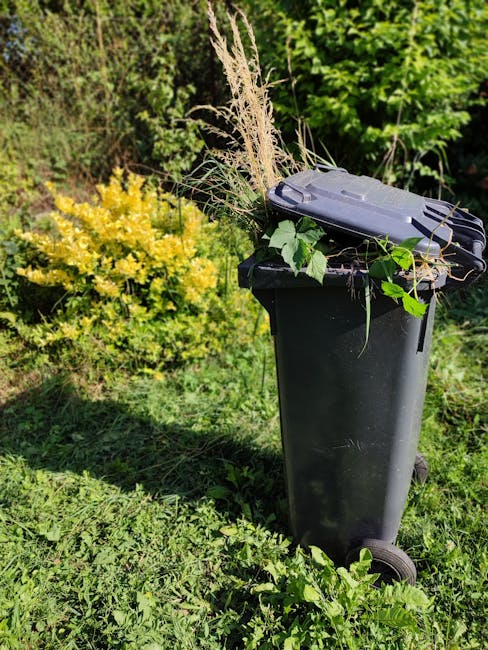
Tower Hamlets Rules for Garden Waste and Poplar Gardeners: A Practical Local Guide
If you garden in Poplar, the rules around garden waste can feel a bit more complicated than they first look. One week you've got hedge clippings, the next it's a pile of soil, a broken planter, and a bag of leaves that somehow appeared overnight. The good news is that Tower Hamlets rules for garden waste and Poplar gardeners are manageable once you understand what counts as garden waste, how to store it, and when you should arrange proper clearance. This guide breaks it down in plain English, with the local realities in mind.
You'll find practical steps, common mistakes, and sensible ways to stay compliant without turning a tidy-up into a headache. And yes, there is a difference between a light prune and a full garden clearance. Quite a big one, actually.
Why Tower Hamlets rules for garden waste and Poplar gardeners Matters
Garden waste sounds straightforward until you are standing over a growing pile of cuttings and wondering what can go in the bin, what needs separating, and what should be taken away professionally. In a busy part of London like Poplar, that matters for a few reasons.
First, waste left out incorrectly can create mess, odours, pests, and complaints from neighbours. Second, mixed waste is harder to handle and may not be accepted as garden waste at all. Third, if you are using a gardener or landscaping service, you want them to work in a way that matches local expectations and broader UK waste best practice. Nobody wants a beautiful garden at the front and a suspicious heap of clippings at the back gate.
For householders, landlords, tenants, and small property managers, getting the basics right helps keep the garden usable, the pathway clear, and the property looking cared for. For tradespeople, it protects your reputation. A clean site at the end of a job says a lot.
There's also a sustainability angle. Organic waste can often be reused, composted, or sent for responsible processing rather than being mixed with rubble, plastics, and soil. If you're interested in that side of things, the company's recycling and sustainability approach is worth understanding alongside your own garden routine.
How Tower Hamlets rules for garden waste and Poplar gardeners Works
The simplest way to think about it is this: garden waste is usually plant-based material from normal gardening work. That typically includes grass cuttings, hedge trimmings, leaves, small branches, weeds, and similar organic material. Once you start mixing in soil, stones, bricks, plastics, treated timber, old fencing, or general household rubbish, you are no longer dealing with clean garden waste in the usual sense.
Local rules and collection arrangements can change, so it is always sensible to check the current Tower Hamlets position before setting anything out. In practice, Poplar gardeners need to work to a few consistent principles:
- Keep garden waste separate from general rubbish.
- Do not mix heavy materials such as rubble or soil with green waste unless a service has said they will accept it.
- Use suitable containers or bags that are easy to move and do not split.
- Make sure waste is presented neatly if it is being collected from the property.
- Arrange clearance for larger jobs rather than trying to squeeze everything into ordinary household bins.
That last point catches people out most often. A small weekly mow is one thing. A serious border cut-back after six months of growth is another. If your project is turning into a full garden reset, a dedicated service like garden clearance or garden maintenance can be much more practical than handling everything yourself.
Professional gardeners in Poplar also need to think about access. Narrow side paths, shared entrances, basement steps, and limited street parking all affect how quickly waste can be gathered and removed. Anyone who has tried carrying a sack of wet cuttings down a tight passage on a rainy afternoon will know exactly what I mean.
Key Benefits and Practical Advantages
Following the right process for garden waste is not just about avoiding problems. It makes the whole gardening routine easier.
- A tidier property: clean, prompt waste removal makes outdoor spaces feel finished rather than half-done.
- Less clutter: you avoid bags piling up in the shed, on the patio, or behind the bins.
- Better hygiene: rotting leaves and damp clippings are never pleasant, especially in warmer spells.
- Reduced pest risk: left too long, waste can attract insects or rodents.
- More efficient work: gardeners can focus on the planting, shaping, and mowing rather than repeatedly shifting rubbish.
- Better compliance: you are less likely to leave waste in a form that breaches local rules or causes issues for collection crews.
For many Poplar residents, the biggest benefit is peace of mind. You know what is happening to the waste, where it is going, and whether it has been handled properly. That matters whether you are managing a small courtyard, a front strip, or a shared communal patch behind a block.
It also supports the kind of work that makes a garden feel cared for over time. Services such as hedge trimming, lawn mowing, and tree lopping and removal often produce waste as part of the job, so a clear removal plan is part of the service, not an afterthought.
Who This Is For and When It Makes Sense
This topic is relevant to more people than you might think. If you live in Poplar and do even modest garden upkeep, you will run into garden waste rules sooner or later.
Homeowners
If you maintain your own garden, you need to know what can go in a green waste collection, what needs special handling, and when to call for help. If you are pruning shrubs on a Saturday morning, for example, you may only have a few bags. But after a long spring tidy-up, that volume can jump very quickly.
Landlords and property managers
Gardens attached to rented homes or small blocks often become inconsistent if nobody takes responsibility. Waste can build up between tenancies, or after one-off works. Clear instructions and scheduled maintenance help avoid those awkward end-of-let surprises.
Gardeners and local contractors
If you are a professional gardener, compliance is part of your service quality. Clients notice whether you leave the site clean, separate the waste properly, and communicate clearly about disposal. A solid service offering often blends care, speed, and responsible removal. That's where services overview pages can help customers understand what is included.
Busy households
Some people simply do not have the time, storage space, or vehicle access to deal with waste themselves. In those cases, a planned clearance is often the most sensible route. No drama. Just less stress.
Step-by-Step Guidance
If you want a straightforward way to stay on the right side of Tower Hamlets expectations, follow this sequence.
- Identify the waste type. Separate green material from soil, hard landscaping waste, plastics, and general rubbish.
- Estimate the volume. A couple of bags is very different from a trailer-load's worth of cuttings.
- Check what your local collection or service accepts. Do not assume every gardening by-product counts as garden waste.
- Bag or bundle it safely. Use manageable loads so bags do not split and branches do not poke out in all directions.
- Store it neatly before removal. Keep it off paths and away from doors, gates, and shared access points.
- Arrange collection or clearance. If the amount is substantial, use a dedicated service rather than trying to improvise.
- Review what the garden needs next. Once waste is gone, it is much easier to see what should be replanted, reshaped, or repaired.
A useful habit is to think in stages. First prune, then collect, then clear, then finish. That rhythm keeps the job under control and helps prevent the "I'll sort it tomorrow" pile, which somehow grows arms and legs overnight.
If the job also includes a broader redesign, a landscape gardening or landscaping conversation can be helpful before you start cutting things back too aggressively. Sometimes the waste tells you the garden needs more than a tidy-up.
Expert Tips for Better Results
After enough garden clearances, a few patterns become obvious. These small choices make a big difference.
- Cut and collect in sections. Do not wait until every corner is done. Clear as you go, especially with hedge work.
- Separate heavy from light waste. Wet soil and sodden grass make bags heavy fast.
- Watch the weather. A dry morning is easier than a damp afternoon when bags become slippery and twice as awkward.
- Keep routes clear. If the only way out is through a narrow side passage, stack carefully and avoid overfilling containers.
- Plan for the end state. If you are trimming for shape, think about the final look, not just what needs cutting today.
- Use routine maintenance. A little and often approach usually creates less waste than letting everything run wild for months.
One thing people underestimate is the value of timing. A garden done just before a dry spell can be easier to tidy, easier to load, and easier to leave looking fresh. By contrast, a wet weekend can make even a simple job feel like a mini expedition.
If you are unsure how much work a job will create, ask for a quote before you start. The pricing and quotes page can help set expectations around scope and cost, which is often more useful than guessing and hoping for the best.
Common Mistakes to Avoid
Most garden waste problems are avoidable. The tricky bit is that the mistakes look harmless at first.
- Mixing everything together: green waste, rubble, and household rubbish should not be treated as one pile.
- Leaving bags too long: damp waste breaks down, smells, and can leak onto paving.
- Overfilling bags: a bag that is impossible to lift is a bag waiting to split.
- Blocking access: shared entrances, bin stores, and narrow paths need to stay usable.
- Assuming one rule fits all jobs: a light weekly tidy is not the same as post-renovation clearance.
- Ignoring safety: branches, thorns, and hidden debris can cause little injuries that are somehow always the annoying kind.
Another common slip is forgetting that some jobs create mixed waste by default. For example, digging over a border may turn up old root systems, broken edging, or buried stones. That means your disposal plan should be broader from the start, not narrower.
Tools, Resources and Recommendations
You do not need fancy kit to manage garden waste properly, but a few practical tools make life easier.
- Heavy-duty bags or reusable sacks for leaves, clippings, and light cuttings.
- Gloves and sturdy footwear to handle sharp stems, wet ground, and loose debris.
- Hand saws, secateurs, and loppers for controlled cutting rather than snapping branches by force.
- Wheelbarrow or garden trolley if the route from the garden to the storage point is long or awkward.
- Tarpaulin or ground sheet to keep waste together and avoid scattering it across paving.
- Basic sorting bins or piles so green waste, woody waste, and mixed waste do not get tangled together.
For larger or more complicated projects, it is often smarter to use a professional team that can handle the full sequence. If you need regular upkeep, garden maintenance can keep waste volumes lower over time. If the garden has got away from you a bit, start with garden clearance and then move into maintenance once the space is under control.
And if the issue is more about ongoing presentation than one-off waste, don't forget related services such as lawn mowing and hedge trimming. A little structure each month often prevents a much bigger job later.
Law, Compliance, Standards, or Best Practice
For Poplar gardeners, the safest approach is to treat local waste handling as a combination of council guidance, common-sense separation, and responsible contractor practice. Exact Tower Hamlets arrangements can change, so if you are setting waste out for collection or arranging a removal service, check the latest local instructions before you act.
In general UK practice, the key compliance ideas are simple:
- Waste should be stored and presented safely.
- Different waste types should be separated where practical.
- Garden waste should not be disguised as general rubbish.
- Contractors should handle and transport waste responsibly.
- Unsafe or fly-tipped material should never be left on public land or shared spaces.
For clients, the main thing to ask is how a gardener or clearance team handles removal, what happens to mixed waste, and whether the site will be left clean. Trust is built in the little things. Not glamorous, but true.
If you care about site safety and proper working methods, it can also help to review broader policies such as health and safety policy and insurance and safety. Those pages are useful signals that a provider is thinking beyond the visible tidy-up and into the way the work is actually carried out.
Options, Methods, or Comparison Table
There is more than one way to deal with garden waste in Poplar. The best choice depends on volume, access, and how quickly you need the space clear.
| Method | Best for | Advantages | Limitations |
|---|---|---|---|
| Home sorting and local collection | Small, regular amounts of green waste | Simple, low-disruption, good for routine maintenance | Not ideal for mixed waste or larger clearances |
| Bagging and storing temporarily | Short delays before collection | Flexible and cheap in the short term | Can become messy if left too long or in damp weather |
| Professional garden clearance | Overgrown spaces, one-off jobs, or mixed debris | Fast, thorough, and convenient | Usually the more expensive option, depending on scope |
| Ongoing garden maintenance | Properties that need steady care | Keeps waste levels down and gardens manageable | Requires a schedule and regular attention |
In real life, many Poplar gardens benefit from a blend of methods. A small courtyard may only need routine maintenance and occasional bagged collection. A bigger, shared, or neglected space usually needs a proper clearance first. That is just the honest answer.
Case Study or Real-World Example
Imagine a small rear garden in Poplar after spring growth has taken over. The lawn is shaggy, the privet hedge has grown soft and uneven, and there are several bags of clippings, plus a pile of old stems from a border cut-back. The homeowner wants the space back for weekend use, but does not want waste sitting around for days.
The practical approach is to split the job into two parts. First, trim and cut back the overgrowth in manageable sections. Then sort the waste: clean green material in one pile, heavier woody stems in another, and any broken pots or old fixtures separately. Once that is done, the removal becomes much easier and the end result looks properly finished, not half-done.
In this sort of job, a service focused on tree lopping and removal may handle the woody material, while garden clearance takes care of the rest. If the goal is to keep the space looking good all summer, a follow-up garden maintenance plan stops the same build-up happening again.
That's the real lesson: waste management works best when it is built into the gardening job from the start. Not tacked on at the end like an apology.
Practical Checklist
Use this checklist before and after any garden tidy-up in Poplar.
- Have I separated green waste from soil, rubble, and general rubbish?
- Are the bags or bundles light enough to move safely?
- Will the waste block entrances, footpaths, or shared access points?
- Do I know whether the local arrangement accepts this type of waste?
- Is the job small enough for routine collection, or does it need a clearance service?
- Have I planned for wet weather, sharp stems, and awkward access?
- Do I have gloves, sturdy footwear, and a safe route for carrying waste?
- Is there a follow-up plan to keep the garden under control?
- Have I checked pricing and scope if I'm using a contractor?
- Will the garden look and function better once the waste is removed?
If you can tick most of those off, you are in good shape. If not, slow down a little. The extra few minutes are worth it.
Conclusion
Tower Hamlets rules for garden waste and Poplar gardeners make a lot more sense once you focus on the basics: separate the waste, store it safely, remove it responsibly, and match the disposal method to the size of the job. That simple approach helps you avoid mess, reduce stress, and keep the garden feeling like a useful part of the property rather than a storage area for cuttings.
For small jobs, routine care may be enough. For bigger or more overgrown spaces, professional clearance is often the cleaner, faster answer. Either way, the goal is the same: a garden that looks cared for and a waste process that feels straightforward, not chaotic.
If you are planning a tidy-up, clearance, or ongoing maintenance in Poplar, it is worth speaking to a local team that understands the practical side of the work as well as the appearance of the finished garden.
Get a free quote today and see how much you can save.
And once the waste is gone, you really do get the best part back: the garden itself, quiet and usable again.
Frequently Asked Questions
What counts as garden waste in Tower Hamlets?
Garden waste usually means organic material such as grass cuttings, hedge clippings, leaves, weeds, and small branches. Once you add soil, rubble, timber, plastics, or household rubbish, it stops being clean garden waste in the usual sense.
Can I put garden waste in my normal bin?
Small amounts may sometimes be manageable depending on the local arrangement, but general household bins are not a good solution for larger volumes. If the pile is more than a light tidy-up creates, a proper collection or clearance is usually the better option.
Do Poplar gardeners need to separate different types of waste?
Yes, that is the safest and most practical approach. Clean green waste is easier to handle than mixed waste, and separating heavy material like soil or rubble helps prevent problems with collection or disposal.
What should I do after pruning a hedge or tree?
Collect the clippings promptly, separate woody pieces from softer green waste, and make sure the material does not block access routes. If the work is substantial, a dedicated service is usually more efficient than trying to store everything on site.
Is garden clearance better than regular garden maintenance?
They serve different purposes. Garden maintenance keeps things under control over time, while garden clearance is better for one-off overgrown, cluttered, or neglected spaces. Many properties need both at different stages.
How do I know if my garden waste is too much for DIY handling?
If the waste would take several trips, fills a lot of bags, or includes mixed debris and awkward access, it may be too much for a simple DIY approach. When in doubt, think about safe lifting, storage space, and how quickly it can be removed.
Can wet grass clippings be left outside?
They can be left briefly, but wet clippings deteriorate quickly and can smell unpleasant. If they are going to sit for any length of time, it is better to keep them contained and arrange removal sooner rather than later.
What are the most common mistakes with garden waste in Poplar?
The biggest mistakes are mixing waste types, overfilling bags, leaving waste in access areas, and assuming every gardening job creates the same kind of waste. Small habits make a big difference here.
Do I need professional help for a small garden?
Not always. Small gardens can often be managed with routine care and a sensible disposal plan. But if the space has got overgrown, includes tree work, or produces more waste than you can comfortably manage, a professional service can save a lot of hassle.
What should I ask a gardener about waste removal?
Ask what types of waste they handle, how they separate green and mixed material, whether removal is included, and how they leave the site at the end. Clear answers here usually tell you a lot about the overall standard of the service.
How often should garden waste be removed?
That depends on the size and use of the garden. A small, tidy space may only need occasional removal, while a busy or fast-growing garden may need regular maintenance and more frequent collection. The right rhythm is the one that stops clutter building up.
Where can I learn more about local gardening services?
You can look through the service pages for a better sense of what is offered, including garden clearance, garden maintenance, lawn mowing, and landscape gardening. If you want to understand the business behind the service, the about us page is also useful.