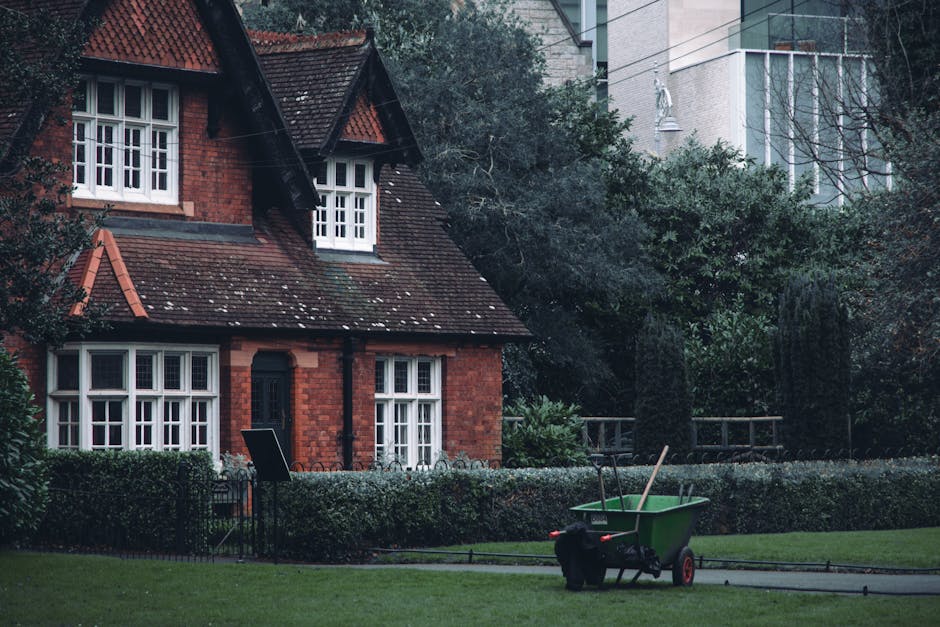
Lansbury Estate gardeners maintenance tips for residents
If you live on Lansbury Estate, you already know the small details make a big difference. A tidy hedge, healthy lawn edges, clear paths, and well-kept planting can make a shared outdoor space feel calmer, safer, and more inviting. These Lansbury Estate gardeners maintenance tips for residents are designed to help you understand what good upkeep looks like, how professional gardening support usually works, and what you can do between visits to keep everything in better shape.
Truth be told, garden maintenance is one of those things people only notice when it slips. A few missed cuts, a patch of moss, some bramble creep along a fence line... and suddenly the whole area feels less cared for. The good news? With a sensible routine, residents can keep outdoor spaces looking presentable without turning weekends into a second job.
This guide breaks down the practical side of resident garden care, from seasonal maintenance and hedge management to safety, waste handling, and communication with your garden team. If you are comparing service options too, you may also find it useful to look at the garden services overview and the company's pricing and quotes page for a clearer sense of what is typically included.
Table of Contents
- Why Lansbury Estate gardeners maintenance tips for residents Matters
- How Lansbury Estate gardeners maintenance tips for residents Works
- Key Benefits and Practical Advantages
- Who This Is For and When It Makes Sense
- Step-by-Step Guidance
- Expert Tips for Better Results
- Common Mistakes to Avoid
- Tools, Resources and Recommendations
- Law, Compliance, Standards, or Best Practice
- Options, Methods, or Comparison Table
- Case Study or Real-World Example
- Practical Checklist
- Conclusion
- Frequently Asked Questions
Why Lansbury Estate gardeners maintenance tips for residents Matters
On a residential estate, garden maintenance is about more than appearances. A well-managed outdoor area reduces trip hazards, keeps boundaries clear, supports plant health, and helps shared spaces stay usable throughout the year. That matters especially where paths, communal edges, access routes, and front gardens all connect visually and physically.
For residents, the real value is consistency. A one-off tidy-up can make a garden look better for a day. Ongoing maintenance, on the other hand, prevents small problems from turning into expensive or awkward ones. Overgrown hedges can block light, awkward pruning can weaken plants, and missed clearance can create damp, slippery corners where leaves gather. Not dramatic, maybe, but definitely annoying.
There is also a social side to it. When gardens are cared for regularly, the whole estate feels more orderly. Neighbours notice. Visitors notice. And residents tend to feel prouder of the place they call home. That sounds simple because it is simple.
Expert summary: Good estate garden maintenance is not just mowing and trimming. It is steady, seasonal care that protects safety, supports plant health, and keeps shared spaces looking lived-in rather than neglected.
How Lansbury Estate gardeners maintenance tips for residents Works
In practical terms, garden maintenance usually follows a routine rather than a random list of jobs. A gardener or maintenance team may visit on a scheduled basis to handle grass cutting, hedge trimming, border tidying, weed control, leaf clearance, pruning, and basic plant health checks. In some cases, residents may also do light upkeep between visits, such as keeping paths clear or watering containers during dry spells.
The most effective approach is layered. Think of it like this:
- Routine care keeps visible areas tidy and reduces build-up.
- Seasonal work responds to the time of year, weather, and plant growth.
- Targeted work handles specific issues such as an overgrown hedge, blocked drain edge, or damaged shrub.
This is where clear communication matters. If you are working with a gardening provider, it helps to agree on what is expected: which areas are included, how often visits happen, what counts as urgent, and whether waste is removed after the job. A decent provider will also have clear terms and a straightforward process, which is why pages like terms and conditions and contact options for residents are worth checking before any work begins.
On estate-style properties, small access issues can change the job too. Shared gates, parked cars, narrow side passages, and fragile borders all affect how a team plans the work. That is normal. Good maintenance is often about working around real-life constraints, not pretending gardens are neat little showroom plots.
Key Benefits and Practical Advantages
Residents usually notice the benefits of regular maintenance in a few very practical ways.
- Safer walkways: Fewer slippery leaves, hidden edges, and awkward overgrowth around paths.
- Healthier planting: Pruning at the right time helps shrubs and hedges grow more evenly.
- Better kerb appeal: The estate looks cared for, which helps the whole street feel more welcoming.
- Less expensive catch-up work: Small, regular jobs tend to be easier than one big rescue visit.
- Less neighbour friction: Clear responsibilities reduce the "who is supposed to do this?" problem. We have all seen that one patch nobody wants to own.
- More usable space: Clean borders and trimmed growth make shared outdoor areas easier to enjoy.
There is a quieter benefit too: peace of mind. When the hedges are under control and the beds are tidy, people stop worrying about it. That mental load matters, even if nobody says it out loud.
If you are considering professional support, it may help to review the provider's approach to safety and insurance. A useful place to start is the insurance and safety information, especially if work involves ladders, powered tools, or access in communal areas.
Who This Is For and When It Makes Sense
These tips are useful for anyone living on Lansbury Estate, but they are especially relevant if you are responsible for a front garden, a shared boundary, or a small communal green space. They also help if you are part of a resident group trying to coordinate upkeep without overcomplicating it.
This guidance makes sense when:
- grass is growing faster than anyone can keep up with
- hedges are starting to spill over paths or drive edges
- weeds keep returning after tidy-ups
- autumn leaves are building up in corners and along drains
- you want a predictable maintenance routine rather than ad hoc jobs
- you are comparing service levels before booking work
It is also helpful if you are trying to balance cost and quality. Not every garden needs intensive weekly attention. Some need a light-touch monthly visit and a stronger seasonal clean-up. Others need more frequent work, especially in spring and early summer when growth can feel relentless. Honestly, the plants do not really care about our schedules.
Step-by-Step Guidance
Here is a practical way to manage estate garden upkeep without making it more complicated than it needs to be.
1. Walk the space properly
Start with a slow walk through the garden or shared outdoor area. Look for overgrown edges, cracked paving with weeds in the gaps, low branches, blocked drains, dead patches in the lawn, and anything that could snag clothing or block access.
It helps to do this in daylight, ideally after a wet spell when issues show up more clearly. You can hear where water is sitting, if that makes sense; the garden tells on itself a bit when it is damp.
2. Separate urgent issues from routine ones
Some jobs should be dealt with quickly, such as obstructed paths, fallen branches, or damage near entrances. Others can be folded into the normal visit, such as deadheading, edging, or cutting back soft growth.
A useful rule: if it affects access, safety, or neighbour relations, move it up the list.
3. Set a realistic maintenance rhythm
Most residential gardens benefit from a repeatable rhythm rather than constant intervention. For example:
- Weekly or fortnightly in peak growth: mowing, edging, light weeding, hedge monitoring
- Monthly in steadier periods: pruning checks, border tidy-up, leaf clearance
- Seasonally: deeper cutting back, soil refresh, planting adjustments, and waste management
The exact timing depends on weather, plant type, and how much the space gets used. There is no magic formula. There is only what is working and what is not.
4. Trim hedges and shrubs with purpose
Good hedge maintenance is about shape, health, and light. Avoid chopping too hard into woody growth unless the plant can handle it. Keep sides slightly tapered so the lower parts get light, and avoid cutting at times that disturb nesting birds. If you are unsure, cautious pruning is better than aggressive pruning. Plants recover more gracefully when people are patient.
5. Control weeds before they spread
Weeds are easiest to handle when they are small. Pulling them early, especially after rain, saves time later. In beds, use mulch where appropriate to reduce regrowth. In paths and cracks, regular clearing prevents them from anchoring deeply.
6. Deal with waste properly
Garden waste should be collected, separated where needed, and disposed of responsibly. Compostable material, woody cuttings, and general green waste may be handled differently depending on the setup. Providers committed to responsible disposal often explain this clearly, and it is worth checking the recycling and sustainability approach if that matters to you, which it probably should.
7. Review results and adjust
After a few cycles, step back and assess what is working. Are paths staying clearer? Is the hedge growing back evenly? Are borders easier to maintain? Adjust the schedule if not. Maintenance is a living thing, not a one-time fix.
Expert Tips for Better Results
Small habits make a surprisingly big difference. In our experience, the best-maintained estates usually are not the ones with the fanciest planting. They are the ones with sensible routines and a bit of discipline.
- Prune little and often: Regular light trimming usually gives cleaner results than heavy rescue cuts.
- Keep an eye on the base of hedges: The bottom often gets neglected first, then the whole shape goes lopsided.
- Use mulch where beds need support: It can help suppress weeds and hold moisture, especially in warmer spells.
- Do not ignore drainage edges: Leaves and soil can collect there fast, especially after windy weather.
- Match the task to the season: What works in April may be wrong in October.
- Communicate access needs early: If a gardener needs a gate opened, parking space, or permission to enter a shared area, sort that before the visit.
One little tip that gets overlooked: keep a simple maintenance note, even if it is just in your phone. A date, a few issues, and what changed after the visit. Nothing fancy. It saves a lot of "didn't we just fix that?" conversations later.
If you want reassurance about who is carrying out the work, have a look at the company's about us page. Background matters when you are trusting someone around residential outdoor spaces.
Common Mistakes to Avoid
Most garden problems on estates start small and become annoying because they were left a bit too long. These are the mistakes worth avoiding.
- Waiting until everything is overgrown: This makes the job slower, rougher, and often more expensive.
- Cutting hedges too hard in one go: That can leave them patchy or stressed.
- Leaving waste piles around: It looks untidy and can attract pests or hold moisture against surfaces.
- Ignoring shared boundaries: A hedge that crosses into walkways quickly becomes everyone's problem.
- Using the wrong tool for the task: Hand tools, shears, trimmers, and mowers each have their place.
- Forgetting seasonal timing: Some plants should not be cut in the same way all year round.
Another common issue is assuming someone else has it covered. On communal or edge-of-estate spaces, that assumption can linger for weeks. Then one day the path narrows, the hedge flops out, and everybody pretends not to have noticed. Bit awkward, really.
Tools, Resources and Recommendations
You do not need a shed full of expensive equipment to keep estate gardens in decent shape. A few reliable tools go a long way, especially if the maintenance tasks are light and regular.
| Tool or Resource | Best Use | Practical Note |
|---|---|---|
| Hand shears | Fine hedge shaping and small shrubs | Best for neat detailing, not heavy cutting |
| Hedge trimmer | Regular hedge maintenance | Efficient for larger sections, but needs careful handling |
| Rake or leaf scoop | Leaf clearance and waste collection | Useful in autumn and after windy spells |
| Spade or hand fork | Weed removal and border work | Good for stubborn roots and compacted soil |
| Gloves and eye protection | Personal safety | Simple but worth it every time |
| Maintenance log | Tracking repeat issues | Helps spot patterns and missed areas |
For residents comparing service support, the most useful resource is often a clear service scope. A page like services overview can help you understand whether you need routine maintenance, a one-off tidy, or a more structured estate care arrangement. If budget is part of your decision, the pricing and quotes information is worth reviewing too.
And yes, a decent pair of gloves can save a lot of bother. Not glamorous, but there you are.
Law, Compliance, Standards, or Best Practice
Garden maintenance on residential estates is usually guided more by best practice and duty of care than by a single rulebook. That said, there are some important considerations.
First, safety. Any work involving powered tools, ladders, sharp blades, or access in shared areas should be approached carefully. Good providers should be able to explain how they manage risks, what protective measures they use, and how they handle public or resident access during works. If you want to understand that side better, the health and safety policy is a sensible place to look.
Second, insurance and accountability. If a contractor is working around homes, parked vehicles, communal paths, or delicate planting, appropriate insurance and sensible working practices matter. That is not red tape for its own sake. It is basic reassurance.
Third, waste handling and environmental care. Best practice in the UK increasingly leans toward sensible green waste management, recycling where possible, and avoiding unnecessary disposal. That aligns well with estate settings, where a tidy outdoor area should not come at the cost of wastefulness.
Fourth, respect for residents. Timings, noise, access, and courtesy all matter. A gardener working early on a quiet morning can feel intrusive even if the job itself is fine. Good etiquette is part of professional maintenance.
If you are checking the broader company standards, documents such as insurance and safety and the company's service terms help set expectations. For billing or booking questions, payment and security can also be useful.
Options, Methods, or Comparison Table
Residents often have three realistic approaches: do it yourself, share the work, or hire a professional gardener. The best option depends on time, access, garden size, and how consistently you want the place maintained.
| Approach | Best For | Pros | Trade-offs |
|---|---|---|---|
| DIY upkeep | Small areas and hands-on residents | Low direct cost, flexible timing | Needs time, tools, and regular attention |
| Shared resident rota | Communal plots and neighbour groups | Spreads effort, builds shared responsibility | Can be uneven if people miss turns |
| Professional maintenance | Regular, reliable estate care | Consistent standard, better finish, less hassle | Involves booking and budget planning |
To be fair, many estates end up using a mix. Residents handle small day-to-day bits, while a professional team covers the heavier, less pleasant jobs. That balance usually works well because it keeps standards up without burning people out.
Case Study or Real-World Example
Picture a typical late-summer week on an estate in East London. The grass has slowed a little, but the hedges have not. A few low branches are brushing the path, weeds are pushing through the front edge, and leaves from nearby trees are starting to gather in the corners. Nothing dramatic, just enough to make the place feel a bit tired.
A sensible maintenance plan would start with a clean sweep of the paths, followed by hedge shaping, weed removal, and a quick check of any drainage edges. The team would likely leave the lawn tidy, restore clear access, and collect the waste in one go rather than leaving a half-finished pile behind. Residents might not even notice the work itself, which is often the point. They notice the calm after it.
What made the difference in that kind of scenario is not a dramatic overhaul. It is timing, consistency, and not waiting until the space looks rough enough to need a rescue mission. Small fixes, done early, save a lot of effort later.
Practical Checklist
Use this checklist before and after a maintenance visit to keep things on track.
- Walk the garden and note problem areas
- Check hedges, borders, paths, and access points
- Identify anything urgent or safety-related
- Confirm which areas are included in the visit
- Make sure gates, keys, or access instructions are ready
- Ask how waste will be removed or recycled
- Review whether the work matches the agreed scope
- Look for any missed corners or awkward growth
- Update your maintenance notes if the same issue keeps coming back
- Plan the next visit before the garden slips again
Quick reminder: if a task feels more involved than expected, it probably is. Better to ask than guess.
Conclusion
Good estate garden care is simple in principle and a little more nuanced in practice. The best Lansbury Estate gardeners maintenance tips for residents all come back to the same idea: keep things regular, keep them safe, and keep communication clear. When that happens, the garden feels easier to live with, and much easier to look after.
Whether you are managing a small front patch, a shared border, or a bigger communal area, the smartest approach is usually steady upkeep rather than big reactive jobs. A few minutes of attention at the right time can save hours later. And let's face it, nobody really wants to spend a Saturday wrestling with a hedge that has decided to become a small woodland.
If you are ready to sort the work properly, you can review the company's service options or make an enquiry through the contact page when you are ready.
Get a free quote today and see how much you can save.
With the right routine, the garden stops being a worry and starts feeling like part of home again. That is the real win.
Frequently Asked Questions
How often should Lansbury Estate gardens be maintained?
It depends on the space and the season, but most residential gardens benefit from regular visits during peak growth and lighter upkeep in quieter periods. Hedges and edges usually need more frequent attention than slower-growing borders.
What are the most important maintenance tasks for residents?
The priority jobs are usually lawn care, hedge trimming, weed control, leaf clearance, and keeping paths and access points clear. If a task affects safety or access, it should come first.
Can residents do some of the maintenance themselves?
Yes, many residents handle simple jobs such as watering, light weeding, or keeping small areas tidy. Just be realistic about time, tools, and the effort needed for larger or more technical tasks.
Is professional garden maintenance worth it for a residential estate?
For many estates, yes. A professional service brings consistency, proper tools, and a cleaner finish. It can also reduce the chances of missed areas or half-done jobs, which tend to happen when maintenance is shared informally.
What should I ask before booking a gardener?
Ask what is included, how often visits take place, whether waste is removed, how access is handled, and whether the team follows proper safety and insurance procedures. Clear answers early on prevent confusion later.
How do I know if a hedge needs trimming?
If it is starting to block light, spill into pathways, lose its shape, or look uneven, it is probably due for trimming. Some hedges recover best with regular light cuts rather than a dramatic one-off chop.
What should be done with garden waste?
Garden waste should be collected and disposed of responsibly. In many cases, green waste can be recycled or managed in an environmentally sensible way, depending on the service and site setup.
Are there safety issues residents should watch for?
Yes. Wet leaves, overgrown paths, hidden edges, and loose cuttings can all create hazards. If work involves tools or shared access, it is sensible to keep people informed and routes clear.
How can I keep costs under control?
Regular maintenance is usually cheaper in the long run than emergency clean-ups. It also helps to agree on a scope of work early and avoid unnecessary one-off jobs that could have been handled as part of a routine visit.
What is the best time of year for heavier garden work?
Heavier pruning, clear-outs, and bed tidying are often best planned around the growth cycle of the plants and local weather conditions. Spring and autumn are common times for more substantial maintenance, but the exact timing should suit the garden itself.
What if the garden keeps getting messy again after maintenance?
That usually means the routine is too light, the wrong tasks are being prioritised, or something in the space is creating repeat problems. A quick review of frequency, access, drainage, or plant choice usually helps.
Where can I find more information about service standards and policies?
It is sensible to review the provider's service details, safety information, and business policies so you know what to expect. Pages like about us, health and safety policy, and complaints procedure can help with that. Nice to know the basics before anyone starts trimming near your roses.